
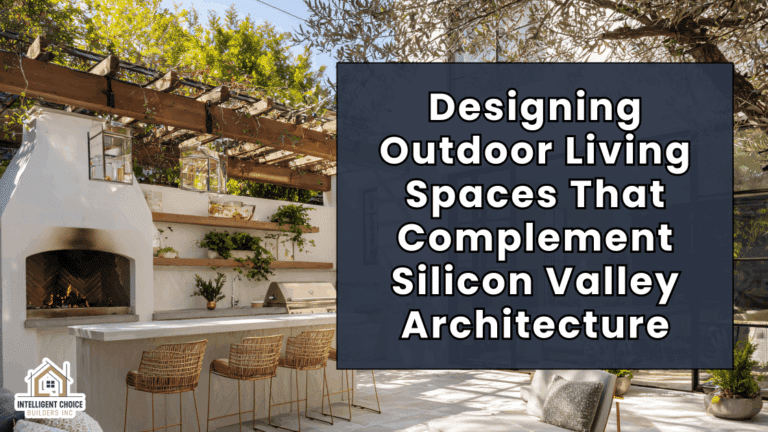
Silicon Valley homes are built for a lifestyle that blurs the line between work, rest, and play.
When your outdoor living spaces echo the architecture of your home, you gain more than a pretty backyard. You gain extra “rooms” that feel intentional, increase comfort, and quietly support property value.
Whether you live in a mid century modern tract, a sleek new-build, or a reimagined bungalow, thoughtful outdoor design can extend the spirit of your architecture into the landscape. This guide walks through how to align your patio, yard, and terraces with the design language of Silicon Valley.
Understanding the Unique Blend of Silicon Valley Architecture
Silicon Valley architecture is not just one style. It is a mix of classic mid-century modern homes, tech-forward new construction, and renovated ranches and bungalows. What ties many of these properties together is a shared focus on clean lines, generous glass, and a strong indoor-outdoor connection.
Iconic Bay Area homes often feature:
- Flat or low-sloped rooflines
- Post and beam or simple structural systems are expressed honestly
- Large panes of glass, sliders, or accordion doors
- Courtyards or patios positioned as outdoor rooms rather than leftover yard
Start by studying your home like a designer would:
- Identify the key architectural gestures. Is it about horizontal lines, dramatic verticals, or sculptural forms?
- Note materials and textures. Wood cladding, stucco, concrete, metal, and glass all suggest different outdoor palettes.
- Map indoor focal points. Fireplaces, kitchen islands, and living room walls of glass should align visually with outdoor destinations.
Your goal is to let the architecture set the rules. A house with strong mid-century bones calls for low, horizontal planters and simple geometric patios. A contemporary tech-inspired home might pair well with crisp steel details and minimalist plantings. When the outdoor space respects the architecture, the whole property feels more expensive and cohesive.
Key Principles for Designing Outdoor Living Spaces in Silicon Valley
The Bay Area climate makes it realistic to treat the outdoors as an extension of the floor plan. To get that seamless feeling, focus on a few core principles.
1. Create Seamless Transitions
- Align floor levels. Whenever possible, keep patio surfaces within a small step of the interior floor so traffic flows naturally.
- Widen door openings. Replace a small slider with a multi-panel or folding door to open the living room, kitchen, or family room directly to the outside.
- Continue ceiling lines. Use pergolas, trellises, or soffits that align with interior ceiling heights to extend rooms outward visually.
2. Plan for Natural Light and Microclimates
Silicon Valley homes experience generous sun, but also afternoon glare and localized wind patterns. Good outdoor design pays attention to this.
- Place dining spaces where they receive morning or early evening light, not harsh midday exposure.
- Add trellises, shade sails, or deciduous trees to filter strong sun near glass walls.
- Consider solid or partially enclosed walls on the windward side of patios to make them usable more days of the year.
3. Design for the Way You Actually Live
Instead of one large undifferentiated patio, think in “zones” linked by clear circulation.
Common outdoor zones include:
- A lounge area connected directly to the main living room
- A dining terrace near the kitchen for effortless serving
- A cooking zone with built-in grill and counter space
- A small, semi-private corner that works as an outdoor workspace or reading spot
When each zone has a defined purpose and a logical link to an interior room, the whole outdoor space feels like a natural extension of your daily routines.
Selecting Materials and Landscaping to Reflect Architectural Style
Your materials and plant palette are what visually tie your architecture to the landscape. In Silicon Valley’s Mediterranean-style climate, they also carry the responsibility of conserving water and standing up to sun exposure.
1. Hardscape Materials That Echo the House
Look at what your home already uses, then translate that vocabulary outside.
- Modern and mid-century homes: Smooth concrete, large-format porcelain pavers, integral color stucco planters, and warm wood accents.
- More traditional or eclectic homes: Tumbled pavers, stone, or stained wood decks with cleaner detailing to keep things current.
- Tech-forward homes: Composite decking, board-formed concrete, or metal trim details with a restrained color palette.
Keep the material palette tight. Two to three primary hardscape materials are usually enough to feel rich without looking busy.
2. Water-Efficient Planting that Still Feels Lush
Bay Area gardeners have access to a huge range of drought-tolerant plants that pair beautifully with contemporary architecture. Think in layers:
- Structure plants: Upright shrubs, small multi-trunk trees, and architectural succulents that read strongly from inside the home.
- Texture plants: Grasses, sages, and Mediterranean herbs that move in the breeze and soften edges.
- Ground plane: Low groundcovers, gravel, or mulch to tie everything together and reduce water needs.
Smart irrigation design is crucial. Drip systems, moisture sensors, and water zoning need to keep landscapes healthy while respecting regional water constraints.
3. Design for Maintenance You Can Realistically Handle
A complex planting scheme that requires weekly hand pruning will not age well once life gets busy. Favor:
- Evergreen structure with a few high-impact seasonal accents
- Groupings of the same plant rather than one of everything
- Clear access paths for pruning, cleaning, and maintenance
When materials and planting are chosen with long-term upkeep in mind, the outdoor space continues to complement the architecture instead of becoming an afterthought.
Incorporating Technology for Smart Outdoor Living Spaces
In a region that builds some of the world’s most advanced tech, it makes sense for outdoor environments to be smart, too. The key is to let technology quietly support comfort and efficiency instead of stealing the show.
1. Smart Lighting That Respects the Architecture
Outdoor lighting should highlight the structure, pathways, and key landscape elements while staying energy-conscious.
Consider:
- Warm white LED fixtures with integrated controls
- Step lights and low bollards that emphasize circulation lines
- In-wall or in-soffit fixtures that wash facades and extend interior light patterns outside
- Smart controls that allow scenes such as “entertaining,” “late work session,” or “night security.”
Thoughtful lighting design makes evening use possible without flooding the yard with glare.
2. Connected Comfort and Convenience
Plan infrastructure early so technology can disappear into the design.
- Conduit and wiring for discreet outdoor speakers tied to the whole-house audio
- Robust Wi Fi coverage for outdoor work or streaming under the pergola
- Weatherproof outlets located where you will actually plug in laptops, heaters, or seasonal decor
- Smart irrigation controllers that respond to weather and soil conditions rather than fixed schedules
When these systems are integrated with the architecture, your outdoor rooms feel as capable as interior spaces.
Maximizing Functionality: Dining Areas, Lounges & Workspaces Outside
Function is where many Silicon Valley homeowners see the real return on investment. A well-planned yard can host a weeknight barbecue, a client video call, and a quiet Sunday afternoon nap without feeling cramped.
1. Outdoor Dining That Actually Gets Used
Locate your primary dining area:
- Within a short, direct path of the kitchen
- Near enough to interior lighting that guests can find it easily at night
- In a spot that can be shaded at midday and lightly warmed on cool evenings
Layer overhead elements like pergolas or retractable awnings with simple radiant heaters or a fire feature to extend the season.
2. Lounges that Mirror the Living Room
Think of your outdoor lounge as a second living room.
- Use sectional or modular seating that follows the lines of the house.
- Anchor the zone with an outdoor rug and a low table to define the “room.”
- Align sightlines so that from inside, you see composed furniture groupings and planting, not the backs of chairs.
This is also a smart place to echo interior design cues. For example, tile and fixture choices from a recent bathroom remodel can inspire the finishes and colors used in the exterior. Take a closer look at our Complete bathroom renovation Prince St Berkeley project results to see how refined interior detailing can guide a clean, modern palette that translates beautifully into adjacent outdoor spaces:
Take a closer look at the results of our Complete bathroom renovation project on Prince St, Berkeley.
3. Outdoor Workspaces that Feel Professional
If you take calls or work from home outdoors:
- Position your workspace where background views are attractive but not distracting.
- Avoid direct sun on screens by using shade structures and strategic orientation.
- Specify a sturdy, comfortable chair and table height that matches your indoor ergonomic setup.
- Make sure lighting is adequate for early mornings or evenings without harsh shadows on camera.
A small, intentional work nook can make your property feel significantly larger and more flexible without major construction.
Sustainability and Energy Efficiency in Outdoor Space Design
Sustainability is not only an environmental choice. It is also an aesthetic one that suits Silicon Valley’s forward-looking character.
Practical strategies include:
- Shade and orientation. Use trees, pergolas, and overhangs to reduce heat gain on glass, which supports indoor comfort.
- Permeable surfaces. Gravel, permeable pavers, and planted joints between slabs help manage stormwater while softening the look of hardscape.
- Water-wise planting. Lean into drought-tolerant and climate-appropriate species instead of large traditional lawns.
- Energy-efficient lighting. Choose fixtures and controls that meet current energy standards while still delivering a tailored nighttime atmosphere.
These quieter moves contribute to a home that feels in tune with its environment, not at odds with it.
Cohesive Color Palettes and Furnishings that Match Your Home’s Aesthetic
Color and furnishings are where homeowners often drift away from the architecture. To keep things cohesive:
- Start with your home’s exterior colors and key interior finishes that are visible from the outside.
- Choose outdoor fabrics and finishes that echo those tones rather than competing with them.
- Use a simple ratio such as 60 percent neutral base, 30 percent supporting color, and 10 percent accent.
For modern and mid-century homes, this might mean a foundation of warm grays and wood tones with a single accent color repeated in pillows, planters, and accessories. For more traditional homes, soft earth tones and desaturated blues or greens work well.
The goal is not to match every item, but to let outdoor furnishings feel like part of the same design story as your interiors.
The Role of Professional Landscape Architects and Designers in the Bay Area
Silicon Valley sites often come with challenges such as tight lots, hillside conditions, existing mature trees, or layered permitting requirements. Partnering with design and construction professionals who understand local constraints can save significant time and cost.
A strong team can help you:
- Translate architectural style into a coherent outdoor concept
- Coordinate grading, drainage, privacy screening, and views
- Integrate lighting, irrigation, and technology without visual clutter
- Navigate municipal approvals and neighborhood expectations
- Phase work over time in a way that still feels complete at each stage
At Intelligent Choice Builders, our design-build approach looks at the home and site as a single system. Whether we are modernizing a bathroom in Berkeley or rethinking a full exterior living environment in Silicon Valley, we focus on details that make indoor and outdoor spaces feel like one thoughtful composition.
Transform Your Home with Thoughtful Outdoor Living Space Design that Honors the Spirit of Silicon Valley Architecture
Outdoor living in Silicon Valley works best when it is treated as architecture, not decoration. By grounding your design in your home’s style, responding honestly to the local climate, and leaning on smart materials and technology, you can create outdoor rooms that feel as intentional as any space inside.
The result is a property where dinner on the patio, a morning coffee in the courtyard, or an afternoon work session under the pergola all feel like natural extensions of the life your home already supports.